


 ICCAS IMAGE VIDEO
INNOVATION CENTER
COMPUTER ASSISTED SURGERY
INSTITUTE AT THE FACULTY OF MEDICINE
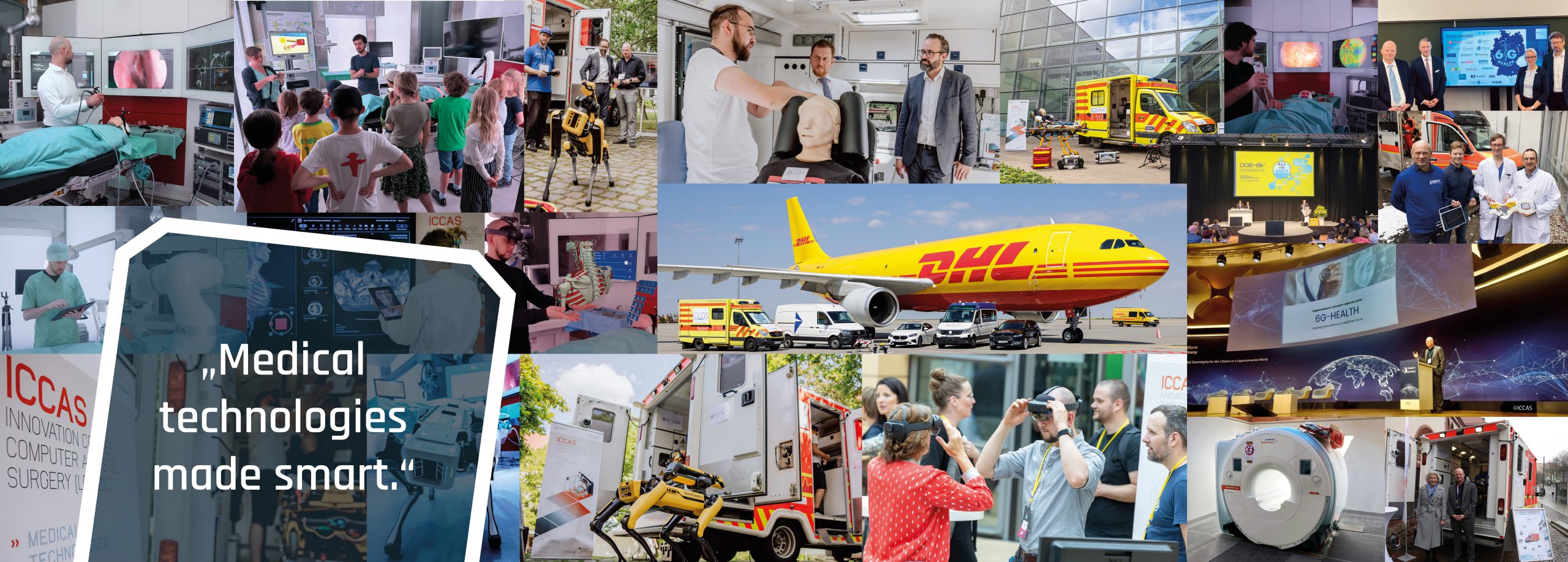
The Innovation Center Computer Assisted Surgery – ICCAS – is a pioneer in developing computer-aided, integrative technologies and intelligent assistance systems in medicine. It is the interface between clinical requirements and economic implementation of innovative medical products. The main goal is the improvement of therapy methods and work processes to increase patient safety and economic relevant technology.
News
Kick-off für PATHCARE – Wir legen los!
Worum geht es bei PATHCARE?
Innovative Technologien für die vernetzte Medizin der Zukunft
Erstes Wahlfach Katastrophenmedizin an der Medizinischen Fakultät Leipzig – ein starkes Zeichen für interdisziplinäre Ausbildung.
25.03.2026 – CONNECTED HEALTH SUMMIT 2026
Datum: 25. März 2026 Ort: BIO CITY LEIPZIG/ ICCAS - Innovation Center Computer Assisted Surgery
Anmeldung: www.tickets.connected-health-summit.de Detaillierte Informationen entnehmen Sie bitte dem beigefügten Einladungsschreiben sowie der Agenda. (...)
New Events

Am 20. und 21. Juni 2026, jeweils von 10:00 bis 18:00 Uhr, öffnet das Bundesministerium für Forschung, Technologie und Raumfahrt (BMFTR) in Berlin seine Türen für die Öffentlichkeit.
Mit dabei ist das ICCAS mit dem Forschungs-Rettungswagen für die vernetzte Notfallmedizin der Zukunft.
Ort: Bundesministerium für Forschung, Technologie und Raumfahrt | Kapelle-Ufer 1 | 10117 Berlin
ANNUAL REPORT
NEWSLETTER